
How Chrome Extensions Turned CloudHQ into a $140K/Month Freemium Machine

💸 This edition is sponsored by Layerpath: Personalized, interactive demos that double pipeline conversion.
Hey founder 👋
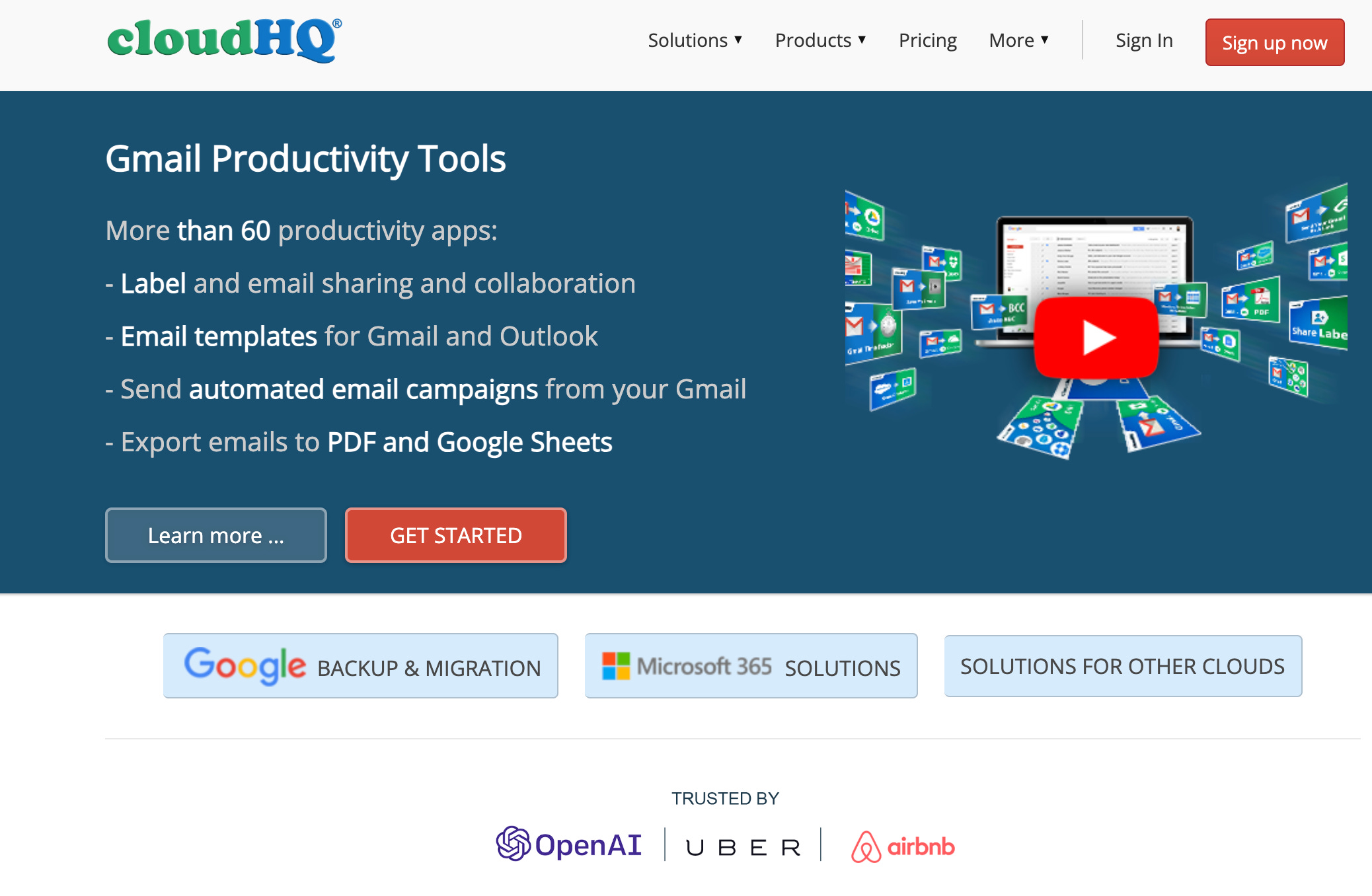
Today’s deep dive is all about CloudHQ—and how they went from a niche B2B tool in 2011 to a freemium powerhouse with 140,000+ monthly paying customers.
What’s wild?
They didn’t do it with fancy VC funding, ads, or an army of sales reps.
They did it with super simple Chrome extensions... and a relentless focus on what Gmail users actually wanted.
Let’s unpack how they cracked the freemium code 🔓
💡 The Growth Hack: Build Dead-Simple Tools People Actually Use
CloudHQ started by solving syncing headaches for enterprise cloud users.
But the real unlock came when they noticed this:
80% of users were backing up Gmail.
So they pivoted—hard.
Here’s the winning formula they hit:
Focus on Gmail's 1B+ user base
Build ultra-specific Chrome extensions (like “Save Emails to PDF”)
Offer generous free usage limits (100 emails/month free)
Add a low-friction upgrade path (unlimited for a few bucks/month)
One-click install. One new button in Gmail. Zero learning curve.
If that sounds simple—it’s because it is. And that’s the magic. ✨
🚀 The Results: Chrome Extensions → Freemium Flywheel
2–4 new extensions every month
14% of free users convert to paid
140,000+ monthly paying customers
Main channel? Email onboarding via Gmail access
Bonus visibility: Product Hunt, blog, PR, and social drops
They’ve built a freemium empire out of… buttons.
🧠 Why It Worked
One Job, Done Well
Each tool solves exactly one pain—clean, direct, and useful. No fluff.Freemium that Feels Fair
The free version isn’t annoying—it’s enough for everyday users. But pros hit a wall fast, and the upgrade path is obvious.User Feedback + Smart Discovery
They scout the Chrome Web Store for extensions with high installs + low ratings… and build better versions.
🛠️ Steal This: The “1-Feature Chrome Extension” Playbook
If you’re building for a large platform (like Gmail, Notion, Shopify, etc.), try this:
✅ Build a hyper-specific utility (solve one task well)
🔁 Release often (weekly/monthly cadence) keeps users engaged
💸 Let free users feel the value before hitting a soft paywall
📬 Capture emails at install—nurture and upsell via inbox
🧠 Source ideas from low-rated, high-use extensions
📈 Founder Action Plan
Here’s your 3-step blueprint to replicate this strategy:
Pick a high-usage platform your audience already lives in (Gmail, Slack, Shopify)
Solve micro-problems they face every day (search, save, sync, export)
Launch, learn, repeat —each small tool is a gateway to your larger product ecosystem
⚡ Quick Win This Week
Open the Chrome Web Store.
Sort by “Most Users.”
Filter by extensions rated under 3.5 stars.
Now ask: Can I build a better version of this in 2 weeks or less?
There’s your first freemium growth loop.
🤔 Food for Thought
The future of SaaS growth might not be full-blown apps.
It might be a bunch of buttons.
CloudHQ didn’t scale by shouting louder. They scaled by solving smaller.
Keep building,
Balaji
P.S. Know a founder chasing freemium traction? Forward this—there’s gold in that Chrome Store.
🧰 Useful Tools for Extension-Based Freemium Growth
Google Apps Script – Automate Gmail tasks quickly without a dev team
SaaS Pegasus – Fast-track extension MVPs with Django boilerplate
Hunter.io – Find emails of Chrome extension users for feedback
Beehiiv / Substack – Nurture your extension users with email
📚 Further Reading
Why Tiny SaaS Wins – Nathan Barry on small products, big outcomes
The Freemium Manifesto – Guide to building paid conversions from free users
Extensions as Products – Case studies on growth via Chrome tools
🏆 Freemium Success Stories
Grammarly – Core tools free → Premium writing upgrade
Calendly – One free event type → Paid team features
CloudHQ – Tiny Gmail tools → Big freemium revenue
Wappalyzer – Chrome extension → SaaS enrichment engine
💸 This edition is sponsored by Layerpath: Personalized, interactive demos that double pipeline conversion.